Refurbed and Minimise show how Refurbishment and Recycling reinforce eachother
 Stefan de LindeFounder & CEO
Minimise operates primarily at the end of the value chain. Our core focus is on curbing environmental leakages and reducing the negative externalities caused by unsafe informal waste management. Yet, real circularity begins much earlier with conscious consumer decisions, like choosing refurbished hardware instead of buying new.
Recycling alone does not fix the e-waste problem.
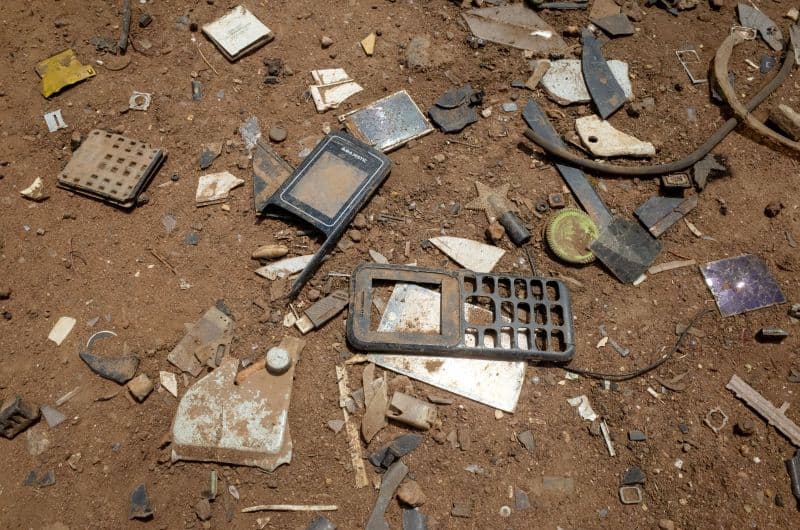
Which is why we're extremely happy to partner with Refurbed from day one. Working together lets us take direct action across multiple steps of the waste hierarchy at the same time. A beautiful result of that is that together we can tell the story of how product lifetime extension reinforces the story of end-of-life material recovery.
How refurbishment and recycling connect
In a circular economy, prevention always has the greatest impacts. Repairing, refurbishing and reusing electronic devices avoids using virgin resources and significantly reduces the need for new manufacturing.
Extending the lifespan of technology sits at the heart of Refurbed's business. Every refurbished product replaces the need for a new one, helping to reduce demand for raw materials while keeping perfectly functional electronics in circulation for longer. If you'd like to learn more about how they put these principles into practice, explore their approach to sustainability and the circular economy.
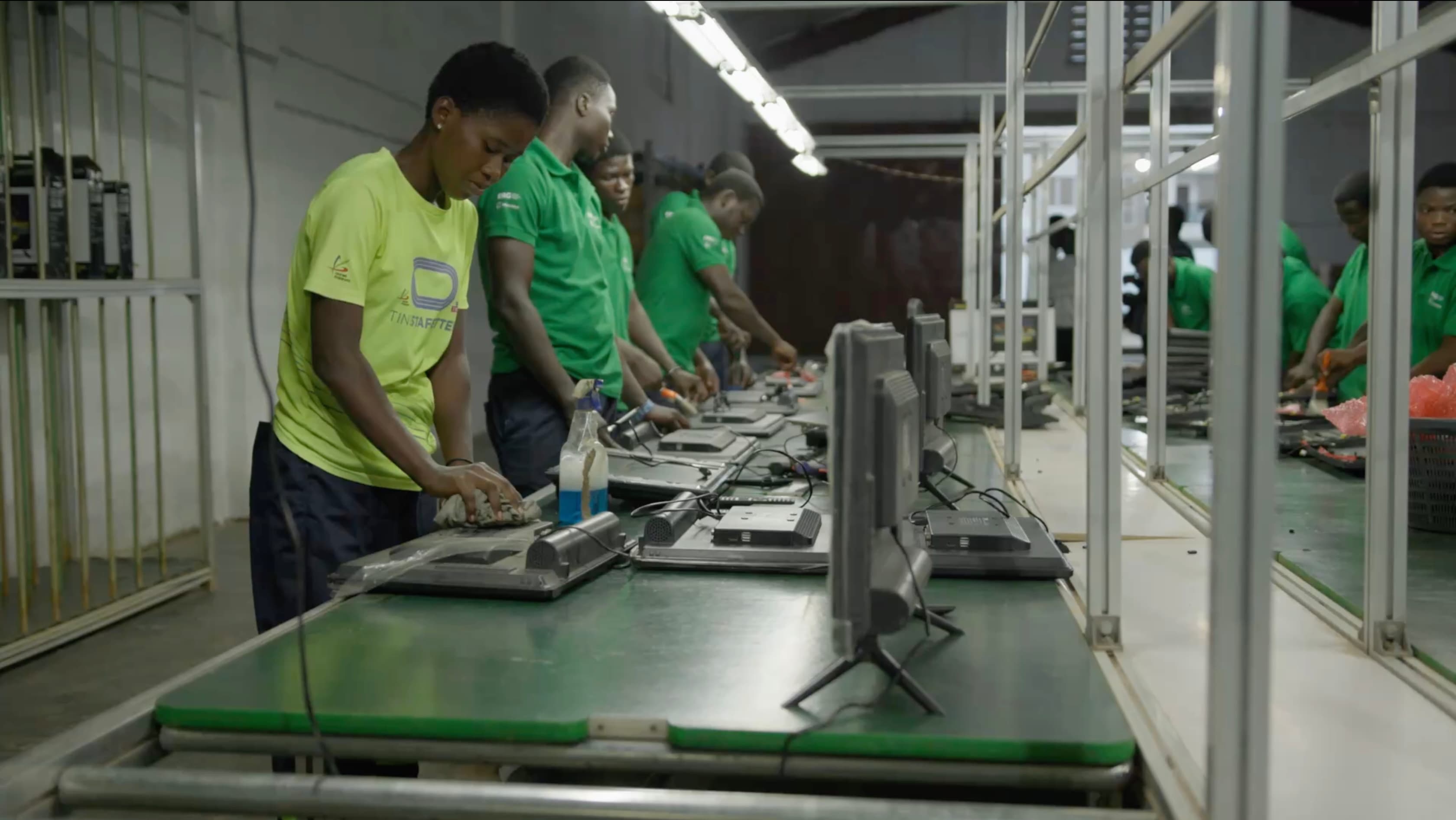
But even the longest lasting device eventually reaches the end of its life. While refurbishment keeps electronics in use for longer, some products can no longer be repaired and need to be recycled responsibly, helping recover valuable materials and reducing unnecessary e-waste. Building a circular economy therefore requires both extending product lifetimes and ensuring that end-of-life devices are handled safely.
What we've achieved so far
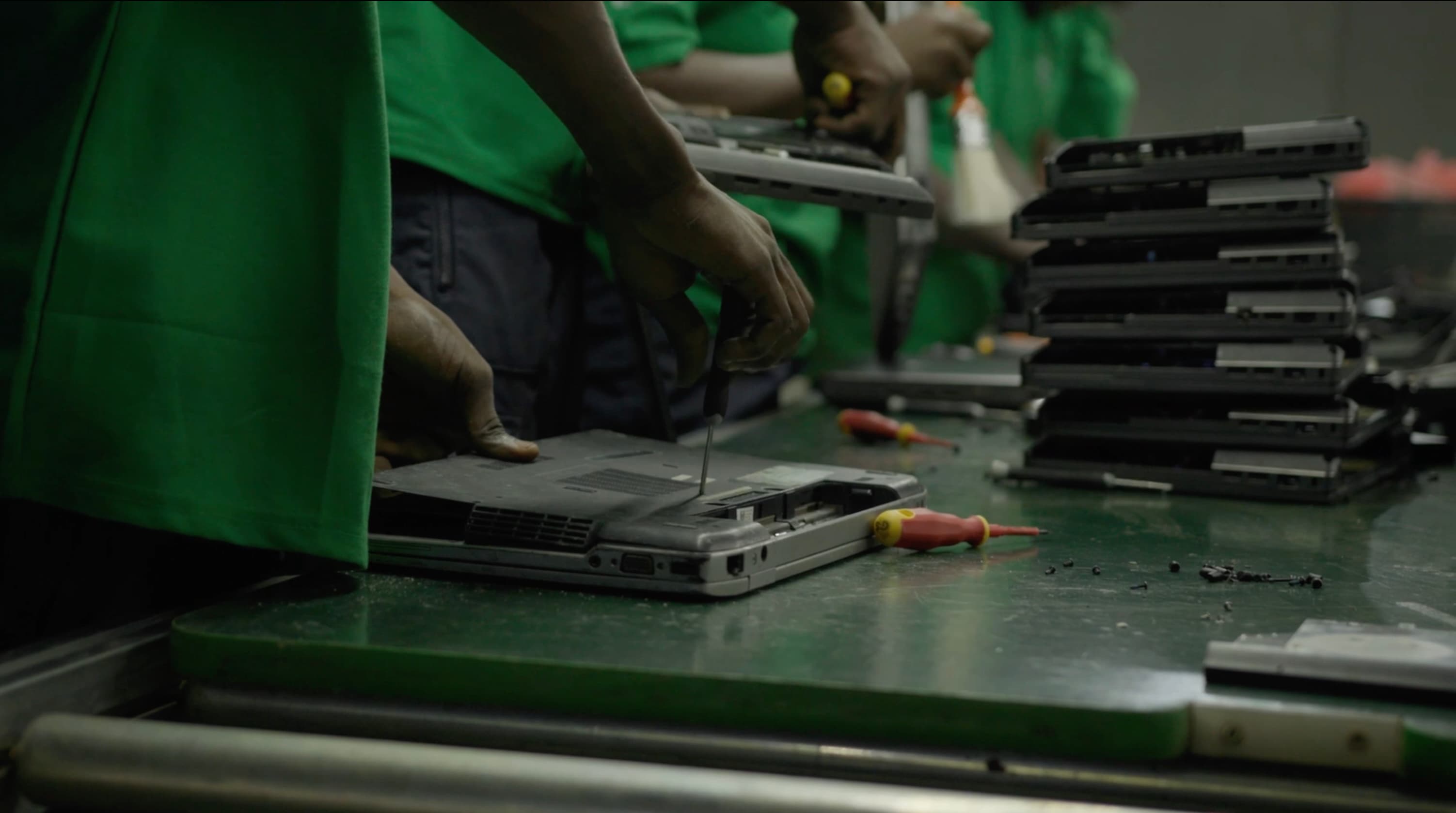
Since the start of our partnership, Refurbed and Minimise have worked together to support e-waste collection and recycling projects in Ghana, Mexico and Zambia. What began with mobile phones has since expanded to mixed e-waste, allowing us to support the responsible handling of a wider range of end-of-life electronics. In 2026, the commitment was deepened by focusing on Ghana, where we're collecting and recycling 20,000 kilos of e-waste. In March, we published a great documentary offering a behind-the-scenes look at the local recycling process and the people making this work possible.
Refurbishment and recycling reinforce a circular future
Neither refurbishment nor recycling alone can solve the global e-waste challenge. Both a new phone, and a refurbished phone will become e-waste at some point. A truly circular economy depends on both keeping products in use for as long as possible and ensuring that valuable resources are recovered once they reach the end of their life.
- Refurbishment works near the top of the waste hierarchy by keeping functional hardware in use and saving raw materials.
- Recycling works near the bottom of the hierarchy by recovering materials when hardware breaks for good.
- Pairing both steps in one transaction connects everyday reuse with immediate e-waste cleanup in places like Ghana.
- Buyers can clearly see how choosing a refurbished device directly funds material recovery for end-of-life electronics.
- Combining these actions gives consumers a full picture of resource conservation using clear, everyday language.
No single activity achieves a circular economy. Combining activities is how you we achieve impact, from refusing consumption of new devices all the way to recycling materials at the end.
Stay tuned on what comes next!