Lessons learned from Kenya's 2026 e-waste monitor by the UN
 Stefan de LindeFounder & CEO
The National E-waste Monitor for Kenya 2026, published jointly by the United Nations Institute for Training and Research (https://unitar.org) and the Kenya National Bureau of Statistics (https://www.knbs.or.ke), presents the first comprehensive statistical baseline on electronics consumption and end-of-life flows in Kenya. While generic sustainability reports treat informal waste management as a problem to solve, the raw data reveals that European waste collection models are fundamentally misaligned with how electronics move in African economies.
Why European drop-off bins fail in East Africa
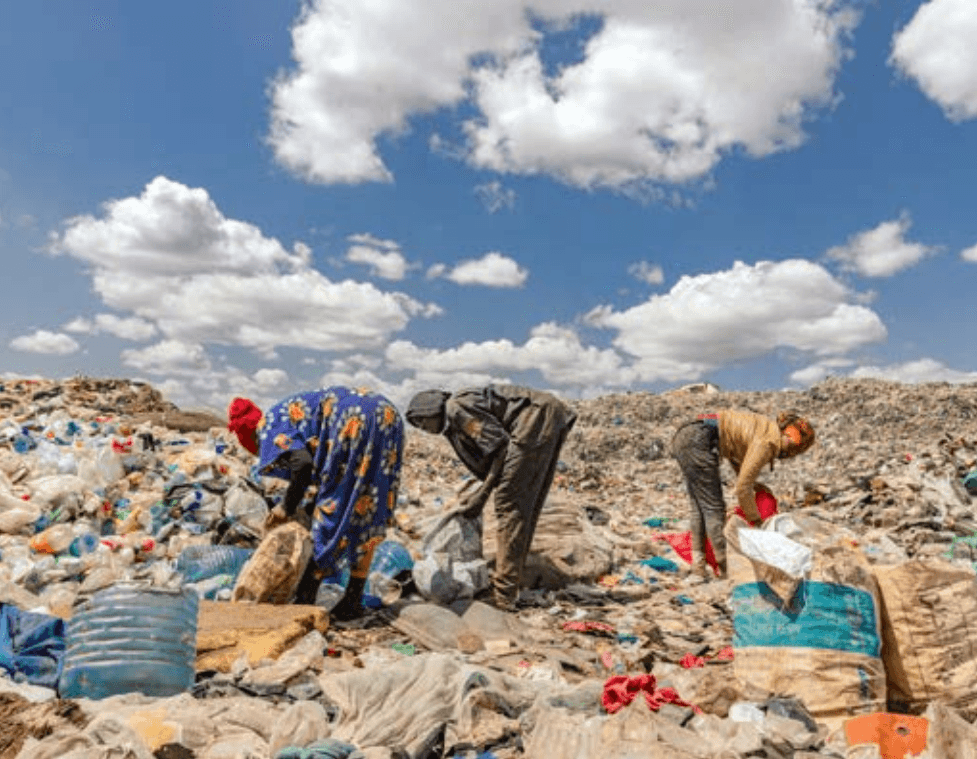
According to the report, door-to-door informal workers collect 25.4 percent of all generated e-waste in Kenya. That represents 14.2 kilotonnes of electronics retrieved directly from households every year, far outpacing the 3.9 percent captured through formal drop-off centers and collection services.
Western municipal waste models rely heavily on static drop-off bins placed in public spaces or supermarkets. European consumers view broken electronics as worthless trash and drop them into bins for free. In Kenya, households treat discarded electronics as financial assets. Informal buyers knock on doors, offer cash on the spot, and channel equipment straight back into repair, refurbishment, or scrap networks. Unattended public collection bins fail in this setting because residents have no incentive to dump valuable items for free, and unmonitored bins risk being emptied by informal recyclers long before official waste management services arrive.
Designing circular infrastructure around informal collection strengths
Kenya's Jua Kali repair economy employs over 500,000 workers who keep devices running years beyond international end-of-life projections. Furthermore, licensed formal recyclers already rely on informal networks for up to 30 percent of their processing feedstock.
Realistic circular infrastructure must divide responsibilities based on existing operational strengths:
- Informal workers handle door-to-door collection, localized aggregation, and first-line repair where their capillary reach is unmatched.
- Formal facilities handle technical depollution, hazardous material removal, printed circuit board processing, and regulatory compliance.
- Financial compensation flows directly to informal collectors to ensure hazardous components reach certified recyclers before ending up in dumpsites.
This setup protects livelihoods while addressing the primary bottleneck, which is the lack of domestic capacity to safely treat hazardous fractions like brominated flame retardants and refrigerants.
Unexpected metrics from the national monitor
- Discarded small household appliances generate 21.9 kilotonnes of waste annually, which is more than triple the weight of discarded laptops, mobile phones, and routers combined.
- Off-grid solar installations account for 33,000 tonnes of active equipment stock across the country, but generated only 3.2 tonnes of waste in 2025 due to long lifespans and aggressive local repair.
- Transition metals like gold, silver, and cobalt represent 77.3 million USD out of the total 122.4 million USD metal value embedded in Kenya's yearly e-waste stream.
How Minimise accelerates financial mechanisms on the ground
Data from the national monitor shows that funding collection channels remains the main barrier to scaling formal e-waste management in Kenya. This is where Minimise (https://minimise.today) intervenes directly. Minimise is currently collaborating with Enviroserve Kenya (https://enviroserve.co.ke) and Reuzado (https://reuzado.nl) to collect an initial container of phones, tablets, and laptops.
This initiative operates under TCO Certified Edge standards for e-waste compensation. Sourcing devices through informal collection channels and routing them into certified facilities injects direct financial capital into local collection networks. Paying informal collectors fair market rates encourages them to divert high-risk devices away from informal burning or dumping pathways. Connecting international compensation funds to ground-level collectors builds a scalable financial bridge, enabling local recyclers to expand their depollution and treatment infrastructure over time.
Read the full report here: https://www.scycle.info/new-national-e-waste-monitor-highlights-kenyas-growing-circular-economy-opportunity/