Why a 60 million USD global electronics management programme involves the private sector
 Stefan de LindeFounder & CEO
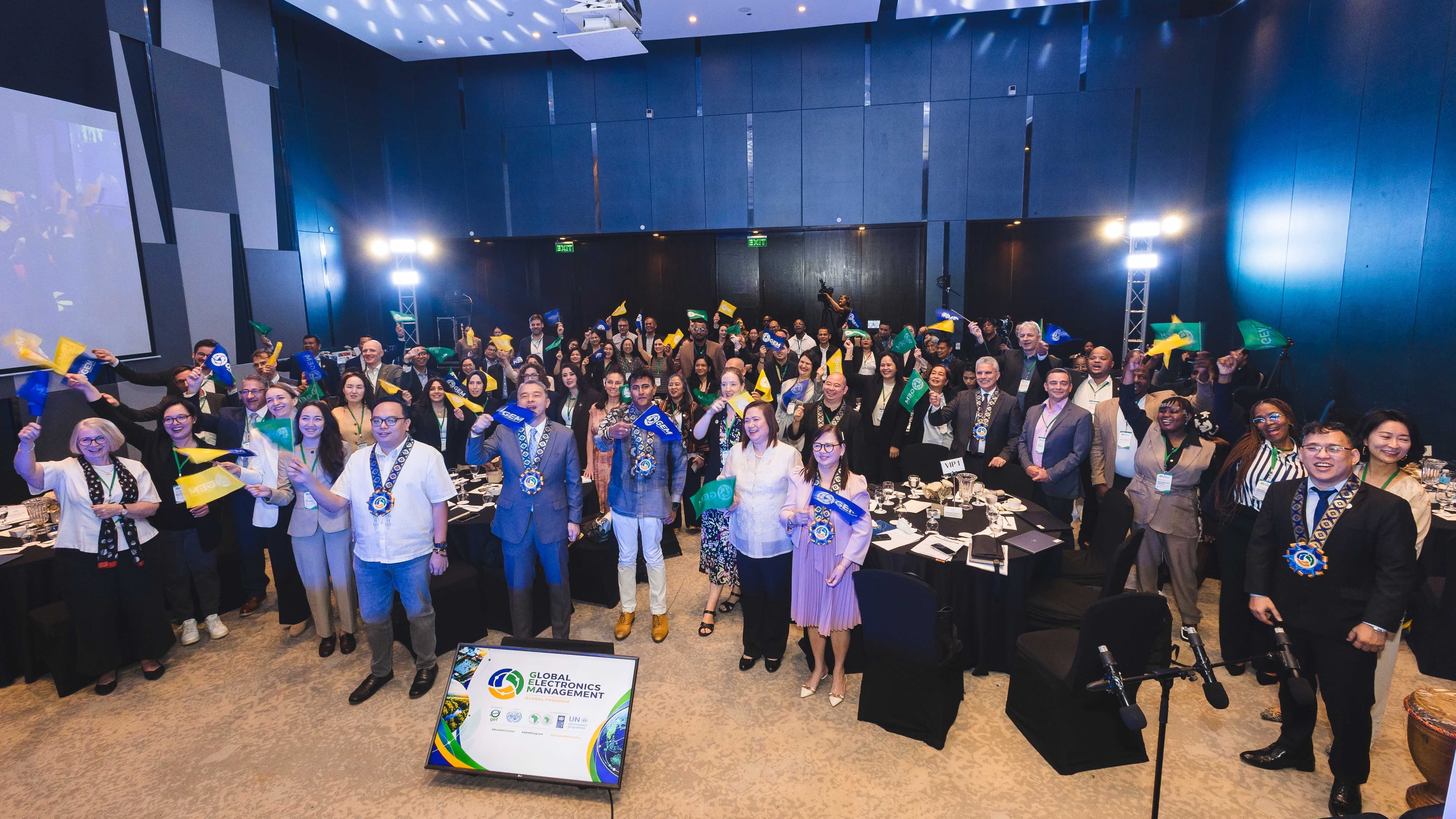
The United Nations Industrial Development Organization (UNIDO) recently launched the Global Electronics Management (GEM) program on October 6 in Manila, The Philippines. A 60 million USD initiative funded by the Global Environment Facility (GEF) to advance circular electronics across 16 countries. The program brings together UN agencies and development banks to improve policies, access to finance, and technology sharing. Unique this time, is the involvement of multiple private sector organizations.
Bridging the gap between global policy and local collection
The program highlights the need for systemic action across the entire electronics life cycle. In 16 target countries (amongst which the Philippines, Colombia, and Ethiopia) end-of-life electronics are largely managed by informal sectors. These local economies operate entirely on immediate cash transactions and require direct financial incentives to participate in formalized recycling channels.
High-level policy frameworks are necessary for market regulation. Yet institutional funding alone often struggles to reach the informal networks that actually collect waste on the ground. Furthermore, policy makers need practical projects to draw learnings from that help inform or adjust electronics management rules and regulations for each region.
To translate a 60 million USD institutional budget into measurable environmental impact, programs must directly fund collection and treatment infrastructure.
- Sustainable policies require long-term financial compensation mechanisms for local waste collectors
- Circular systems rely on strict traceability data to understand where waste is generated and where resources go
- Newly drafted extended producer responsibility (EPR) regulations require actionable data for continuous implementation and adjustment
The missing link in global waste policy
The initiative stands out because it brings the private sector directly to the table. Minimise is stepping in as one of the selected stakeholders to bridge the gap between institutional strategy and operational reality. We have shown that our activities lead to both hands-on waste collection and rigorous data collection in target regions. By partnering with BlackForest Solutions (link) and local regulators, we prove that verifiable traceability data directly informs how Extended Producer Responsibility (EPR) policies are practically implemented. This program relies on the fact that isolated pilots do not solve global problems. We are building systems where the successful models and practical experience of one region immediately inform the strategies of other countries moving in their footsteps.
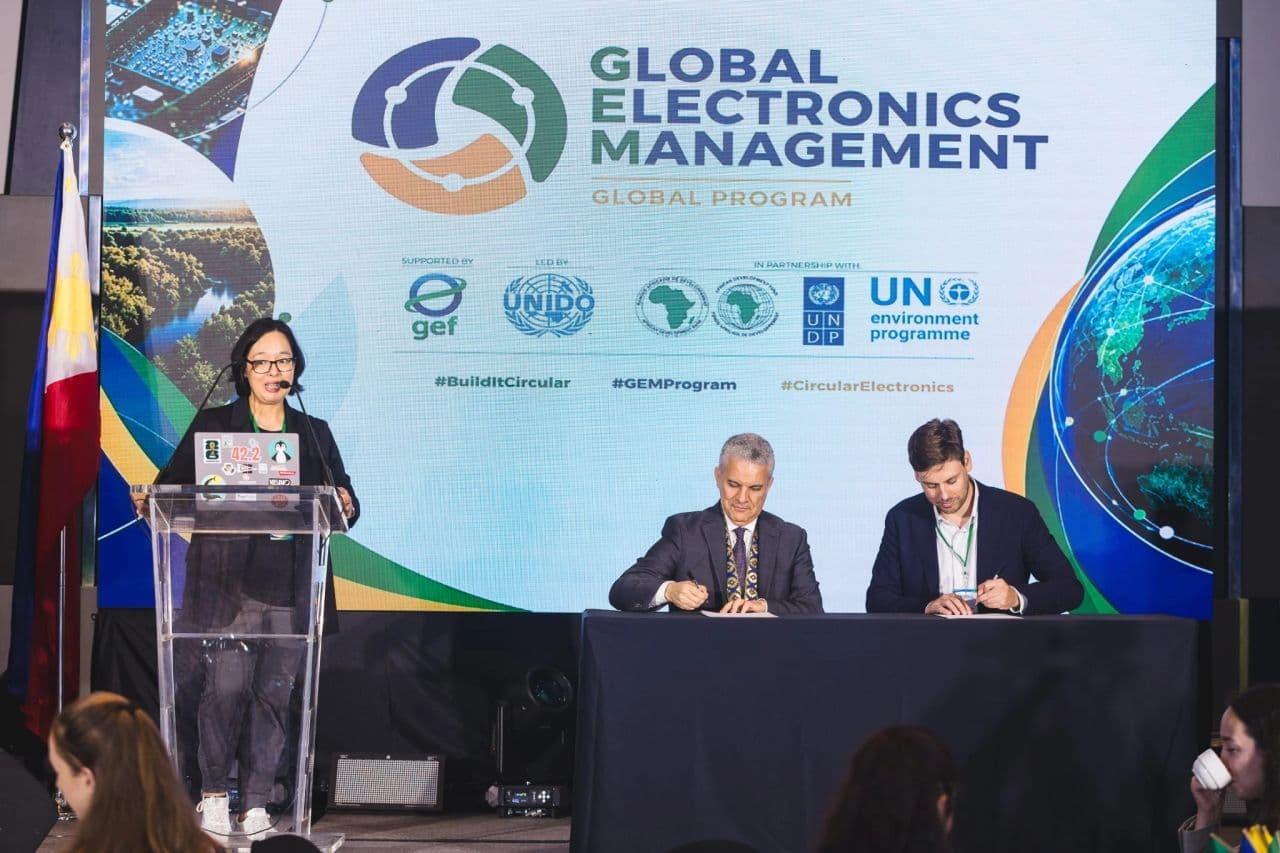
A first concept presented by three participants
The private sector is already pushing the pace on this transition. Minimise, alongside BlackForest Solutions and GreenForest Solutions (link), recently shared a concept note with all GEM participants to propose a concrete operating framework. The document outlines a first step towards national EPR for WEEE. It details exactly how to set up national treatment partners, monitor collections digitally, and handle hazardous waste storage in compliance with international standards. The proposed model also defines the roles of producer responsibility organizations (PROs) and outlines how to initially fund these systems through voluntary EPR fees with the goal of scaling an adaptive model to all participating regions.
We are excited about this program and the environmental impact we will build together over the next five years. Contact us directly at hello@minimise.today to discuss the details of this concept and how we track material end-to-end.